

University of Maine energy grass study scores grant


December 6, 2012
BY Anna Simet
Advertisement
Advertisement
Related Stories
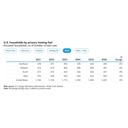
Approximately 1.622 million U.S. households are expected to use wood as a primary heating fuel in 2026, down 4% when compared to last year, according to the U.S. Energy Information’s annual Winter Fuels Outlook, released Oct. 6.
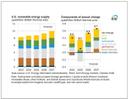
Renewables are expected to account for 26% of U.S. electricity generation in 2026, increasing to nearly 28% in 2027, according to the U.S. Energy Information Administration’s latest Short-Term Energy Outlook, released Oct. 6.

The U.S. Energy Information Administration reduced its forecast for 2026 renewable diesel production in its latest Short-Term Energy Outlook, released Oct. 8. The production forecast for “other biofuel,” including sustainable aviation fuel (SAF), was maintained.

Pacolet Milliken LLC on Oct. 7 it has acquired 100% of Georgia Renewable Power, which owns two biomass power plants in northeast Georgia, one in Franklin County and one in Madison County. The facilities have a combined generating capacity of 116 MW.

XCF Global Inc. on Oct. 6 announced that XCF stockholders have approved the proposals necessary to complete the previously announced business combination involving XCF, DevvStream Corp. and Southern Energy Renewables Inc.
Upcoming Events

@ Copyright 2026 - BBI International - All rights reserved.