

Latest News
2 hours ago
By Keith Loria
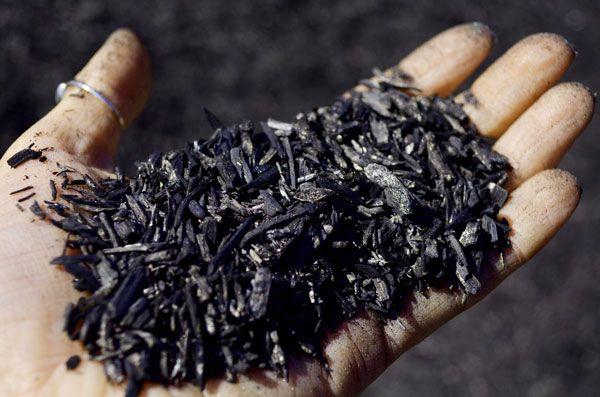
As biochar production scales up, maintenance is becoming less about fixing what breaks and more about designing plants, feedstocks and operating practices to withstand thousands of continuous production hours.
Read More
U.S. manufacturers produced approximately 960,000 tons of densified biomass fuel in July, according to the U.S. EIA’s Monthly Densified Biomass Fuels Report. Sales of densified biomass fuel reached 1 million tons during the month.

The Landfill Group, in partnership with LS Power, has commenced operation of a project collecting and upgrading landfill gas into pipeline quality renewable natural gas (RNG) at the Pine Grove Landfill in Columbus, Georgia.

The USDA and NASA on Oct. 24 signed a memorandum of understanding (MOU) that will strengthen USDA’s data quality and help ensure that American farmers and ranchers benefit from and have access to cutting-edge technologies.

The EU Deforestation Regulation will make traceability a market access requirement for wood pellets. For producers, the challenge is not only collecting documents but turning fragmented supply chain data into an audit-ready system.
Featured Articles

Beyond the Digester
By Keith Loria
Scaling food waste-based RNG requires more than proven digestion technology—it takes reliable feedstock, preprocessing infrastructure, long-term contracts and durable markets.

Building the Biocoal Market
Technology providers and producers are working to scale biocoal as a drop-in replacement for fossil steam coal, opening a potentially massive market for thermally treated biomass.
The High Cost of Hauling
By Katie Schroeder
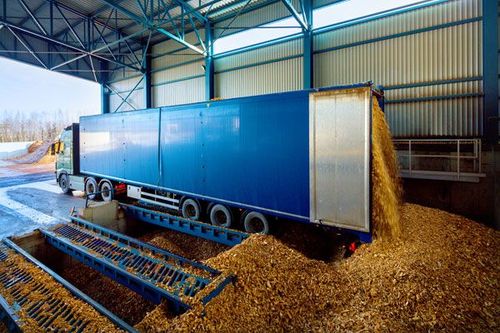
Surging diesel prices are squeezing biomass and pellet producers, putting new pressure on feedstock sourcing, transportation and already-narrow operating margins.
The Traceability Test
By Keith Loria
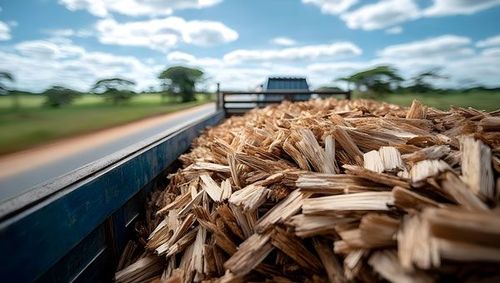
As the European Deforestation Regulation implementation approaches, traceability will determine continued access to the European market.

Evaluating Emerging Markets
By Katie Schroeder
Pellet Mill Magazine examines the challenges holding back North America's industrial pellet industry—and the catalysts that could finally ignite a strong domestic market.

Artificial intelligence has a growing role in improving pellet plant performance, efficiency and reliability.

Biochar and biocarbon markets are expanding rapidly, but future growth will depend on identifying the right feedstocks for the right applications while balancing cost, performance, availability and carbon intensity.
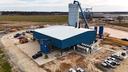
Bringing biochar to rural Arkansas, Cold Steppe pioneers in industrial-scale production and operates an energy efficient process.
Recent Issues
Subscribe to our print magazine.
Subscribe
Sep 25, 2026
The High Cost of Hauling
Surging diesel prices are squeezing biomass and pellet producers, putting new pressure on feedstock sourcing, transportation and already-narrow operating margins. Read More.

Aug 13, 2026
Evaluating Emerging Markets
Pellet Mill Magazine examines the challenges holding back North America's industrial pellet industry—and the catalysts that could finally ignite a strong domestic market. Read More.

Jul 9, 2026
The Feedstock Question
Biochar and biocarbon markets are expanding rapidly, but future growth will depend on identifying the right feedstocks for the right applications while balancing cost, performance, availability and carbon intensity. Read More.

May 11, 2026
Evaluating Growing Markets
Pellet Mill Magazine examines the potential of several growing markets. Read More.
Upcoming Events
Podcasts
July 2026
Biomass Conference Podcast Series: Live with Puritan Magnetics, Inc.
Produced by Biomass Magazine, Al Crawshaw, President with Puritan Magnetics, Inc., chats about what's new with Puritan Magnetics, Inc. Recorded live at the 2026 Int'l Biomass Conference & Expo in Nashville, Tennessee. Hosted by Anna Simet, Director of Content/Sr. Editor. Sponsored by D3MAX View More.
Current Job Postings

@ Copyright 2026 - BBI International - All rights reserved.