

Anaerobic Organisms Key to Coskata's Rapid Rise

By Jessica Sobolik
June 02, 2008
Not many people were familiar with Coskata Inc. when General Motors Corp. announced its partnership with the Chicago-based ethanol technology company in January. Since then, Coskata's business has accelerated at a rapid pace, making thermochemical ethanol production from biomass a near-term reality.
Cellulosic Ethanol Path is Paved With Various Technologies

By Jessica Ebert
June 02, 2008
In the midst of rising oil prices, the economics of producing cellulosic ethanol are becoming increasingly favorable and several companies are steadfastly moving to commercialize various process technologies. It would be easy to view this development as a race pitting one technology against the other but is that really the case? Is one approach better than another?

Grass: NOT JUST ANOTHER PLOT

By Susan Aldridge
June 02, 2008
We know cows like it—and by eating certain varieties, they give more milk. So do these grasses' higher sugar content also mean greater ethanol output?
Fresh-Squeezed Ethanol Feedstock
June 02, 2008
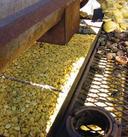
Seventy-five percent of U.S. oranges are grown in Florida. The Sunshine State's citrus processing industry produces nearly all of the orange juice consumed in the country, resulting in up to 5 million tons of citrus waste each year. Options for turning that waste into something useful are limited, so the possibility of using citrus waste as a feedstock for ethanol plants is being closely monitored.
Pipeline Projects On Hold

By Elizabeth Ewing
June 02, 2008
Brazilian ethanol pipeline projects are budding, but not all will bloom.


Advertisement

@ Copyright 2026 - BBI International - All rights reserved.