
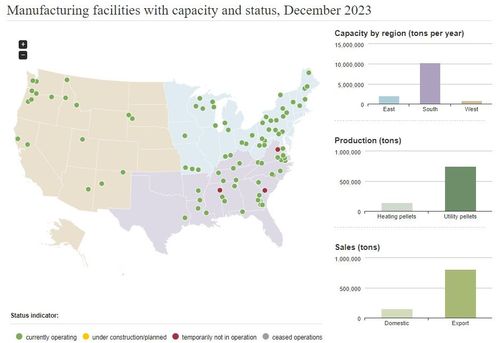
EIA: Densified biomass fuel sales reach 960,000 tons in December
SOURCE: U.S. Energy Information Administration
March 27, 2024
BY Erin Voegele
Advertisement
Advertisement
Related Stories
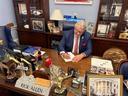
Rep. Rick W. Allen, R-Ga., recently introduced a bill to establish a targeted federal assistance program to provide temporary financial relief to eligible forest product harvesting and hauling businesses impacted by significant market disruptions.

The BC Forest Safety Council board of directors is pleased to announce the appointment of Cherie Whelan as BCFSC’s new chief executive officer effective April 1, 2026.

Drax is pleased to announce that it has signed an agreement to acquire Flexitricity Ltd., a U.K.-based optimizer of flexible energy assets, from Quinbrook. The transaction is expected to close during the first quarter of 2026.

Renewable energy company Drax has announced the donation of $20,000 to the Center for Children and Families. The 2025 fundraising efforts banked the highest dollar amount Drax has raised through its event.

Neste Corp. on Feb. 5 released Q4, reporting that renewable sales volume were up for both the quarter and the full year 2025. The renewable diesel market improved toward the end of the year and record-high SAF sales supported profitability.
Upcoming Events

@ Copyright 2026 - BBI International - All rights reserved.