


If You Build it …

By Suzanne H. Schmidt
September 08, 2008
Two enzyme companies, Novozymes and Genencor, have made plans to branch out into the Midwest to better serve their ethanol producing customers in the Corn Belt.
Rail-to-Truck Ethanol Terminals

September 08, 2008
Large rail terminals that can handle ethanol unit trains are poised to be an integral part of transporting the fuel in the future. The ability to quickly and inexpensively move ethanol long distances becomes more important as our renewable fuel consumption increases. Several companies have recognized this opportunity and are adding ethanol capacity.
A Taste of Victory

By Anna Austin
September 08, 2008
When John Viskup and Jim Sponder established Victory Energy Operations LLC in 1999, ambitions were high—but neither expected the company to hit the milestones it has in such a short time. In less than 10 years the company has grown from 3 to 320 employees.
A Tale of Two Landmarks
September 08, 2008
Two landmarks in small town North Dakota signify the transition from past energy sources to the future.
In Dynamic Pursuit of Efficiency

By Ron Kotrba
September 08, 2008
Production efficiency is critical in this tough economic environment. A U.K.-based company is working toward commercial availability of its ethanol reactor tower, which uses atomized steam to release intracellular starch in the cook process to boost fermentation efficiency. EPM takes a look at this technology.
Beefing Up Barley
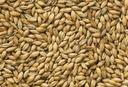
September 08, 2008
In the ethanol world barley may be corn's poor cousin, but research efforts have made it an attractive feedstock option in the U.S. mid-Atlantic region.
Making the Most of Every Dollar

By Bryan Sims
September 08, 2008
Despite record-high corn prices, most ethanol producers have managed to stretch their dollars to keep operating at or near break-even. Now that corn prices have started to come down to a more manageable level, producers' margins could start to improve.


Advertisement

@ Copyright 2026 - BBI International - All rights reserved.