


The 2011 Southeast Biomass Conference & Trade Show kicked off in Atlanta, Ga., Nov. 2. Nearly 325 professionals and 60 exhibitors are taking part in this year's event, which has a strong regional focus.

After successfully demonstrating its biomass gasifiers at a Gleason, Tenn., brick plant, PHG Energy has qualified for the Tennessee Valley Authority's Generation Partners program and is selling power to the grid.

The U.S. has an established wood market but how much wood can be used for bioenergy without affecting material prices or forest sustainability? A panel at the Southeast Biomass Conference & Trade Show Nov. 1-3 in Atlanta addressed those questions.

Having already heard a great deal about the ample wood resources in the Southeast U.S., a panel discussion about energy crops was refreshing for the feedstock track at the Southeast Biomass Conference & Trade Show in Atlanta on Nov. 1-3.
Jill Stuckey, director of the Center of Innovation for Energy at the Georgia Environmental and Finance Authority, opened the Southeast Biomass Conference today with a keynote address focused on Georgia's biomass potential, and its economic benefits.
Culturing Solutions will host the grand opening of its algae-to-biofuel demonstration plant in New Port Richey, Fla., Nov. 17. The company says it will produce transportation fuel, energy, nutritional products, cosmetics and other items from algae.

BlueFire Renewables has signed a Memorandum of Understanding with utility firm China Huadian Engineering Co. Ltd. to finance BlueFire's cellulosic ethanol facility and power production plant in Fulton, Miss.

Purdue University researchers found corn stover separation may increase efficiency for ethanol conversion and result in cost savings.
Checking out distillers grains in person
November 01, 2011
The longer I'm a writer for Ethanol Producer Magazine and Distillers Grains Production & Markets, the more I learn about the industry.
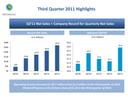
Pacific Ethanol Inc., an ethanol producer that has seemed to put past troubles behind it, reported good news during its third quarter financial report. The company's net sales climbed to an all-time high of $271.6 million.

Biomass thermal advocacy group Heating the Midwest has announced its official mission is to advance biomass thermal heating in the Midwest for a more sustainable future, while improving the economic, environmental and social well-being of the region.


Great Lakes ports to prepare for biomass exports.

Industry experts discuss wood's role in U.S. energy policy

Gainesville, Fla., biomass plant construction is on schedule and promises to be a jobs creator

State provides funding for AD systems, feedstock growth, pellet and torrefaction projects.
The U.K.'s DECC has delayed the launch of its RHI program.

Australia explores whether emissions reduction can be achieved through cofiring.

Electricity study includes biomass in near- and long-term power generation analysis.

INL explores challenges of transforming biomass into a feedstock commodity.

W2E launches model anaerobic digestion facility in Columbia, S.C.

Aloterra's BCAP project areas are promoting job growth and helping set the stage for a major miscanthus presence in the biopellet industry.

With a plethora of different wood pellet standard programs, mills' quality measures vary depending on which set their customers adopt.

With the availability of agricultural biomass, North American companies are promoting the benefits of converting grass into energy in an effort to spur the industry.

The 2011 U.S. Billion-Ton Update enhances its 2005 predecessor and finds potential for dedicated energy crops through direct inventory analysis and rigorous sustainability modeling.
Advertisement

@ Copyright 2026 - BBI International - All rights reserved.