

DOE: AlgaePrize finalist teams make great strides in projects to unlock algal energy
By U.S. Department of Energy
July 16, 2024
The student teams selected as finalists for AlgaePrize 2023–2025 are working to turn research proposals into results. The teams are making great strides in 15 unique projects that aim to unlock algal energy from a variety of angles.

Reps. Ashley Hinson, R-Iowa, and Angie Craig, D-Minn., and 35 of their colleagues on July 10 sent a letter to U.S. EPA Administrator Michael Regan urging the agency to set 2026 RFS RVOs that accurately reflect growth in biobased-diesel production.

Japan is working to develop standards for SAF according to a report filed with the USDA FAS's Global Agricultural Information Network on July 5. The government is expecting to begin drafting SAF legislation later this year.

The OMB on July 5 published its 2024 Unified Agenda and Regulatory Plan, which outlines rulemakings and other actions under development by federal agencies related to the RFS, biofuel infrastructure, CO2 pipeline safety, and wood heating.

Neste welcomes the French government's decision to approve the sales of transport fuels from 100% renewable raw materials, such as renewable diesel, at fuel stations. To date, sales of these fuels have been limited to logistics companies.

The U.S. EPA’s new set rule unlocks potential for higher revenue streams through renewable identification number generation under the federal Renewable Fuel Standard.

The USDA announced improvements to the camelina pilot crop insurance program for the 2025 and succeeding crop years. USDA’s RMA is expanding coverage options by allowing enterprise units and increasing maximum coverage levels.

The USDA on June 26 awarded nearly $100 million in loans and grants to 473 projects under the Renewable Energy for America Program. Biogas producers were among those selected to receive grant and loan funding.

The USDA on June 26 launched a RFI seeking public comments on procedures for quantifying, reporting and verifying the effect of climate-smart farming practices on the GHG emissions associated with U.S.-grown biofuel feedstocks.

The U.S. EPA on June 25 awarded more than $8.8 million to the Northeast States for Coordinated Air Use Management to support emissions testing and other activities aimed at reducing air pollution from wood heaters.
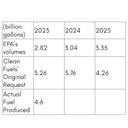
Clean Fuels Alliance America on June 25 filed a formal petition asking the U.S. EPA to reconsider RFS volumes for 2024 and 2025. The agency set biomass-based diesel and overall advanced volumes significantly below actual production of the fuels.

A bipartisan group of six senators on June 20 send a letter to the U.S. EPA, USDA, U.S. Trade Representative, and U.S. Customers and Board Protection expressing concern with dramatic increases in used cooking oil (UCO) imports from China.
The U.S. EPA released updated RIN data on June 20, reporting that nearly 2.01 billion RINs were generated under the RFS during May, down from 2.11 billion generated during the same period of last year.
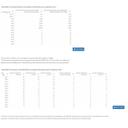
The U.S. EPA released updated small refinery exemption (SRE) data on June 20, reporting that one new SRE petition has been filed under the RFS in the past month. A total of 39 SRE petitions are now pending.

Treasury and the IRS on June 18 released final rules implementing the wage and apprenticeship standard provisions of clean energy tax credits created by the IRA, including the 45Z clean fuels production tax credit.

Clean Fuels Alliance American has filed a lawsuit challenging the U.S. EPA’s final rule setting GHG emissions standards for heavy duty vehicles. The rule failed to consider the GHG-reducing benefits of biodiesel and renewable diesel.

SAF Magazine and the Commercial Aviation Alternative Fuels Initiative announced the preliminary agenda for the North American SAF Conference and Expo, being held Sept. 11-13 at the Saint Paul RiverCentre in St. Paul, Minnesota.

The U.S. Department of the Treasury and IRS have issued guidance on how to register for the Section 45Z Clean Fuel Production Tax Credit, encouraging fuel producers who may be eligible for the credit to apply for registration as soon as possible.
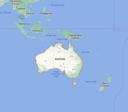
The government of Australia on June 13 announced it is seeking public comments on ways it can incentivize a domestic low carbon liquid fuel (LCLF) industry, with an initial focus on sustainable aviation fuel (SAF) and renewable diesel.

The U.S. EPA on May 22 announced it has approved a RFS pathway for BP’s Cherry Point refinery in Blaine, Washington, that will allow the facility to generate D5 advanced biofuel RINs for renewable diesel produced via the coprocessing of carinata oil.

The SkyNRG Sustainable Aviation Fuel Market Outlook covers the current state and trends of the SAF market in the EU and U.K., the U.S. and rest of the world by assessing announcements of SAF projects and mapping out the capacity until 2050.

A bipartisan group of 18 senators on June 11 sent a letter to U.S. EPA Administrator Michael Regan urging the agency to boost RFS renewable volume requirements (RVOs) for biomass-based diesel and advanced biofuels in its upcoming 2026 rulemaking.

Reps. Sharice Davids, D-Kan., and Dusty Johnson, R-S.D., on June 10 launched the Congressional Sustainable Aviation Caucus, which aims to keep lawmakers informed on initiatives to improve aviation sustainability, including those related to SAF.

The International Air Transport Association announced that its projections for a tripling of sustainable aviation fuels (SAF) production in 2024 to 1.9 billion liters (1.5 million metric tons) are on track.

The U.S. EPA is seeking nominations for a diverse range of qualified candidates to be considered for appointment to its Mobile Sources Technical Review Subcommittee, including those with experience in the biofuels and agriculture industries.

The U.S. Department of Energy Bioenergy Technologies Office has released a Summary Report from a September 2023 Request for Information (RFI) on building supply chains to meet Sustainable Aviation Fuel (SAF) Grand Challenge goals.

The U.S. Treasury Department and IRS on May 29 released proposed guidance on two clean electricity tax credits created by the IRA. The proposal, however, fails to provide appropriate guidance for clean electricity produced from biogas and RNG.

The USDA is seeking information from the public on protocols that may be considered for inclusion in a new Greenhouse Gas Technical Assistance Provider and Third-Party Verifier Program, the main program of the Growing Climate Solutions Act.

With the power to simultaneously fuel our airplanes, recycle carbon dioxide, provide nutrition for animals and humans, and create jobs for millions of Americans, algae matters to the U.S. clean energy economy.
The U.S. EPA’s OIG on May 22 issued a memorandum outlining gaps in oversight of the agency’s Wood Heater Program. The Alliance for Green Heat is calling on the agency to address systematic enforcement issues impacting the program.
Advertisement

@ Copyright 2026 - BBI International - All rights reserved.